
Task Automation
A checklist that reads the loan.
Your processors know what a file needs. The problem is that knowledge lives in a dozen different checklists — and in their heads. eqLend builds the list from the loan itself: this product, this investor, this borrower, this property.
Clarity from the first day of the file — not discovered on the way to closing.
What Stands in the Way
Every shop has a dozen checklists. None of them can see the file.
A checklist per loan product. Another per investor. Another per branch. Another that a senior processor keeps in her head and has never written down. Some are in a shared drive. Some are in a binder. Some exist only as experience.
None of them know this file has a gift fund and a non-occupant co-borrower. None of them updated after the exception someone caught last Tuesday. And when your best processor leaves, what she knew leaves with her.
Clarity at Every Stage
She knows what the file needs. At every point she needs to know it.
A file moves through four moments where a processor either has clarity or is guessing. eqLend removes the guessing from all four.
01 — At application
The list is built from the loan
The moment an application exists, eqLend generates the document and task list from loan-level detail — product, investor, occupancy, property type, borrower structure. Not a template that gets pruned down.
02 — At disclosures
Full task clarity when the file gets real
Disclosures trigger the complete picture: what’s needed, who owns it, and when it’s due. Nothing waits to be discovered later in the process.
03 — As documents arrive
Every document, evaluated on arrival
Each document is classified as it lands and tied to the condition it satisfies. If it contradicts what the LOS says, the processor knows immediately — not at closing.
04 — On return from underwriting
Conditions come back mapped
Underwriting conditions arrive connected to the documents and tasks that clear them — not as a wall of text to decode and redistribute.
Document Buckets
Her craft, encoded.
Document classification ties every incoming document to the right condition automatically. No dragging, no renaming, no manual association — the clerical layer of file assembly disappears.
What reaches underwriting follows the same predictable pattern every time. This is what makes a consistent, clean submission real: task automation does for the processor exactly what condition automation does for the underwriter. Same engine. Different desk.
The Keystone
Every correction she makes, the engine keeps.
Have you ever had a file reach closing only to find the homeowners insurance coverage was too low? eqLend compares what the documents say against what the LOS says and surfaces the mismatch the moment the document arrives. The processor confirms it and updates in one step.
That confirmation doesn’t just fix this loan. Each exception a processor confirms becomes a permanent rule in the engine — so the same problem is caught earlier on every file that follows.
The processor is where the loop gets trained.
Across the Pipeline
Individual focus. Team visibility.
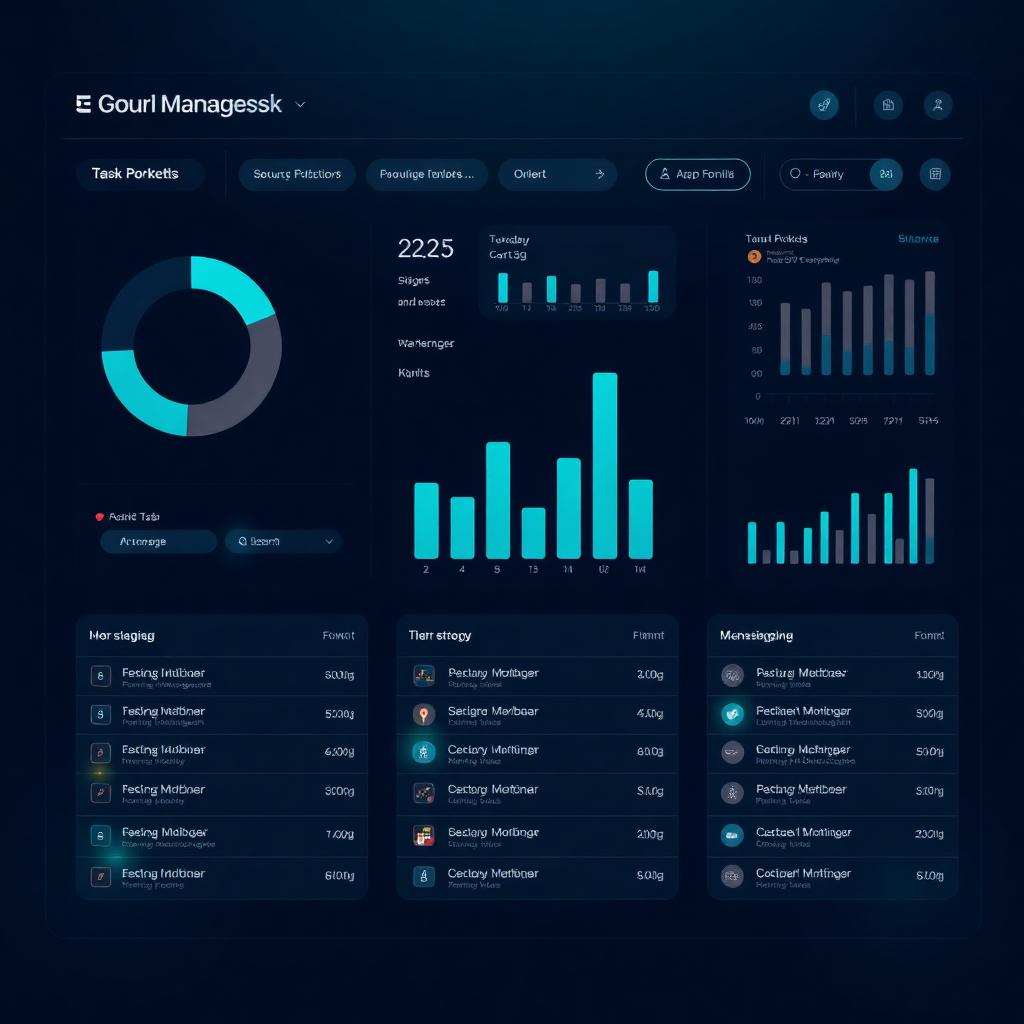
Tasks organize into My Tasks and Team Tasks, so processors stay on top of their own work while managers see the full pipeline. Visual task flow surfaces bottlenecks in real time, visibility is manager-controlled, and the whole view is available on mobile — anywhere, anytime.
Downstream
Your loan officers stop asking for status.
When the processor has clarity, the LO doesn’t need to chase it. The answer to “where is my file” exists before the question gets asked — and the closing date the LO promised a Realtor holds.
The checklist used to live in her head. Now it lives in an engine she trains — and it gets better every time she uses it.
Ready to Move
Your team has the intelligence. Let’s build the engine around it.
Schedule a demo built around your loan products, your workflows, and your Encompass environment. No generic pitch. No pressure.
Request a Demo